

Antigua is one of the Eastern Caribbean’s most established travel destinations, offering a combination of accessibility, consistent weather, and varied accommodation. Its location, transport links, and English speaking environment make it particularly convenient for couples planning a holiday in the region.
The island’s climate remains stable throughout the year, with warm temperatures and moderate trade winds. Scheduled flights from North America and Europe provide direct access, and its manageable size allows visitors to explore without long internal transfers. Together, these factors have positioned Antigua as a reliable choice for those seeking a straightforward, comfortable Caribbean break.
Antigua and Barbuda has received repeated international recognition for their strength in the romance and honeymoon segment. The destination has been awarded “Caribbean’s Most Romantic Destination” by the World Travel Awards on several occasions, and has also earned the prestigious title of “World’s Leading Honeymoon Destination” These awards reflect the islands’ consistency in appealing to couples. They also indicate the maturity of Antigua’s hospitality industry and its capacity to cater for visitors marking special occasions such as honeymoons and anniversaries.
Antigua’s accommodation sector is diverse, ranging from large all inclusive resorts to boutique hotels and budget friendly Airbnb’s. Each model serves a distinct traveller profile and delivers a different balance between convenience, privacy, and local interaction.
All inclusive resorts are the dominant format on the island. They appeal to travelers who prefer cost certainty and minimal planning once on site. Meals, drinks, and basic activities are usually included in the price, which creates a sense of simplicity and efficiency.
The all inclusive model remains one of the most convenient ways to experience the Caribbean. It appeals to travelers who value simplicity knowing that meals and drinks are included is reassuring. For many visitors, this format provides a clear sense of structure and removes the need for daily budgeting or decision making, which can be especially appealing on short breaks.
However, the same features that make all inclusive efficient can also introduce a few limitations. Larger properties, while well equipped, often accommodate significant numbers of guests. At busy times this can create a busy crowded environment which may not suit some couples.
The inclusive pricing can also make these stays relatively expensive compared with smaller independent hotels or rentals, particularly once optional extras such as premium drinks or off-site activities are considered. The lack of local exploration and interaction can also limit opportunities to engage directly with local businesses and culture. From a sustainability standpoint, the emphasis on abundance can lead to some inefficiencies such as surplus food or energy use associated with operating at scale. Most major operators are increasingly aware of these issues and have begun adopting measures to reduce waste and support community sourcing, though practices vary.
Overall, all inclusive resorts offer a dependable, well managed experience that prioritizes convenience and predictability. They are a proven firm favourite for travelers seeking sun, sand for that well earned vacation where the resort itself is the destination, and they opt for on site leisure rather than wider exploration.
Travelers seeking privacy, flexibility, or a closer connection with the destination itself may prefer smaller or independently managed alternatives, but for many visitors the format continues to deliver ease and value in a straightforward way.
Boutique properties are typically smaller and independently owned. They emphasize atmosphere, design, and personal service. Their scale allows for closer attention to detail, and many incorporate local materials or architectural features. The setting is often quieter, with fewer guests and a more deliberate pace. While this format offers privacy and a stronger sense of place, facilities are generally limited, and such properties by their very nature cannot be considered resorts.
Antigua’s main advantage is its scale and connectivity. Measuring just over 100 square miles, it is compact enough for visitors to reach most points of interest within an hour’s drive. The road network links coastal areas, heritage sites, and local communities efficiently. English is the official language, the local currency (Eastern Caribbean dollar) is pegged to the US dollar, and tourism infrastructure is well established. These factors reduce friction for first-time visitors and help maintain consistent service delivery.
In practical terms, Antigua offers a balance between resort infrastructure and access to the wider island. Travelers can alternate between organised leisure activities, such as sailing or guided tours and unscheduled exploration of beaches, markets, or restaurants. The range of dining options, from casual waterfront cafés to fine dining establishments, supports different budgets and travel styles.
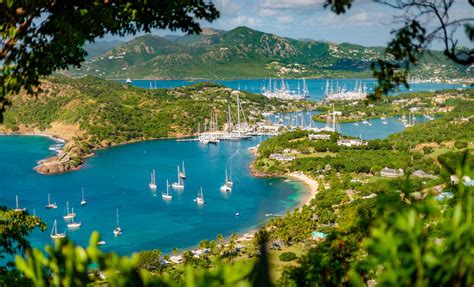
One of Antigua’s most significant sites, Nelson’s Dockyard National Park, illustrates the island’s combination of history and recreation. Officially designated in 1984 and now part of the UNESCO World Heritage Site “Antigua Naval Dockyard and Related Archaeological Sites,” it remains the only continuously operating Georgian era dockyard in the world.
The park includes several points of interest. Visitors can walk through the restored naval buildings, tour the Dockyard Museum, or view Clarence House, an 1804 residence linked to the island’s colonial administration. Elevated positions such as Dow’s Hill Interpretation Centre and Shirley Heights provide panoramic views of English Harbour and its anchorages. The area is also a hub for sailing, attracting yachts and maritime events throughout the year. Surrounding trails and coastal paths offer opportunities for short hikes, while the area itself contains restaurants and small shops serving both visitors and local residents.
The Dockyard’s compact layout allows visitors to combine sightseeing with leisure time, for example, visiting historical sites in the morning and dining by the water in the evening. Its blend of maritime heritage and natural scenery makes it one of the island’s most frequently visited areas.
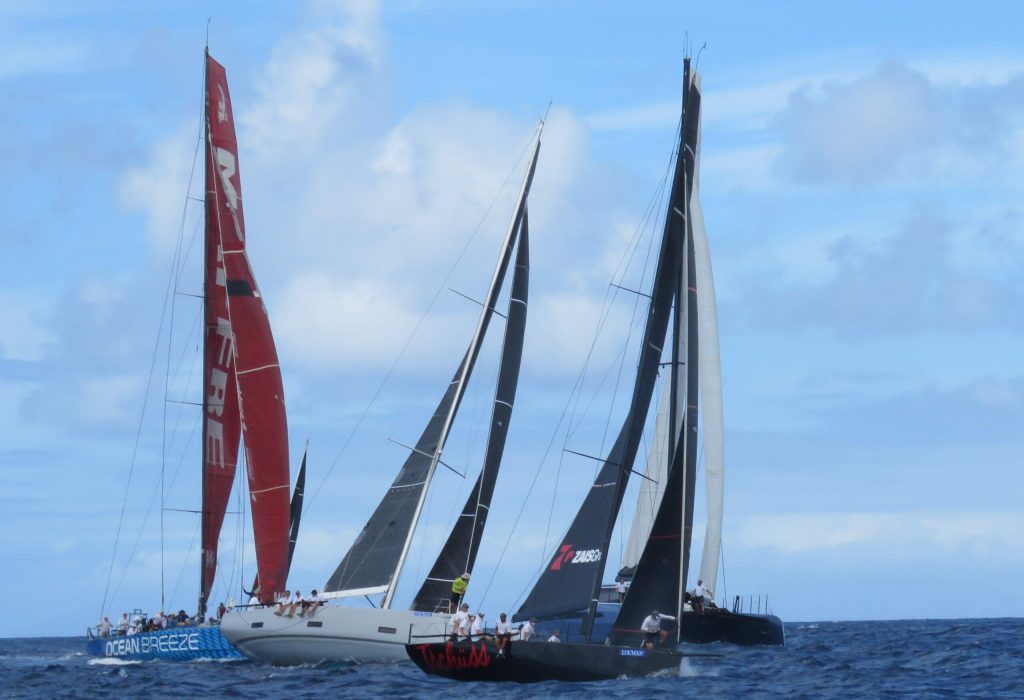
English Harbour is recognised as the centre of Antigua’s maritime activity and the focal point of the island’s sailing community. It is home to several marinas, including those that host international regattas such as Antigua Sailing Week and the Royal Ocean Racing Club (RORC)Transatlantic Race, and Caribbean 600, events that attract yachts and crews from across the world. The National Sailing Academy, which supports both local training and visiting sailors is also located in the area. Surrounding the many waterfronts are a range of restaurants, bars, and small eateries that create a lively yet relaxed atmosphere, particularly during the winter sailing season.
Often described as the sailing heart of the Caribbean, English Harbour combines heritage, recreation, and social life in a compact and distinctive setting.
For adults looking for a smaller scale setting within Antigua’s National Park area, http://www.lavistaantigua.com LaVista Antigua represents a good choice. The property operates as a boutique style independent living establishment offering a limited number of large, self-contained waterfront suites.
The atmosphere at LaVista Antigua is deliberately intimate and private. With only a handful of units, it appeals to visitors who value space, the ocean and nature, and the ability to set their own pace. The property’s design focuses on open views of the ocean and surrounding landscape, complemented by an infinity pool that overlooks the waterfront.
Guests who prefer a curated itinerary can work with the management of LaVista Antigua to create a unique package including as much or as little as will make your honeymoon unique and special for you. Providing a framework that combines self catering flexibility with selected activities and dining arrangements. For others, the property functions comfortably as an independent base for exploring the southern end of the island.
LaVista Antigua’s combination of location, scale, and autonomy makes it suitable for couples who wish to avoid large resort environments while still benefiting from professional standards and a strong connection to the island’s maritime and cultural setting.
Antigua’s tourism appeal is largely built on predictability. The island experiences little seasonal variation, maintains strong international air links, and benefits from a long established service industry. These conditions create a stable environment for both travellers and operators.
For couples, this means the ability to plan travel without significant concern for weather or accessibility. Whether visitors choose an all-inclusive resort, a boutique hotel, or a private rental, they will find a destination that combines comfort, reliability, and relative ease of navigation.
Antigua’s sustained recognition as a romantic destination is supported not only by its scenery but also by the structure of its tourism sector organised enough to ensure comfort, yet small enough to remain personal.